
Making Connections in Schools and Games
June 01, 2018
Profile

BEING AN EDUCATOR is in Mike Winstead’s blood. He’s the son of two teachers and the brother to three educators. He and his wife, a high school assistant principal, have three children, including one in public education. At
family functions, Winstead estimates there might be 18 educators gathered.
“It’s kind of what we do in my family,” the director of Maryville, Tenn., City Schools says. “I knew that was the direction I wanted to head
from an early age and have never looked back.”
Winstead was especially inspired by his mom who, now in her 80s, still maintains relationships with hundreds of her former students through Facebook.
“We talk about the
power of a teacher and what they can do — the connections they make — and I’m like ‘What an example right there!’” he says. “I grew up with that, seeing that connection and the power that teachers can have
on kids.”
A supportive household was the launching pad for the 2018 AASA Superintendent of the Year finalist. Winstead says he’s always focused on the environment of the schools wherever he has worked. He’s especially
proud of that in Maryville, where he’s finishing his fourth year at the helm of the 5,350-student district.
“It’s not about what we’ve done, but it’s more about the culture,” Winstead says. “We
have a culture that trusts, empowers and pushes teachers to always be better, which in turn makes all of us push and challenge to do our best and be better as well.”
One of Winstead’s favorite programs, One Book Blitz, was conceived
by a Maryville teacher. Every student countywide in kindergarten through 5th grade reads the same book, enabling teachers to collaborate on lesson plans related to the text.
Winstead championed teachers when his district in 2014 rolled
out its digital conversion, called iReach, providing a device to each teacher and student in Maryville. The initiative essentially has removed textbooks from the classroom and put the curricular onus back on teachers.
“It’s
very much teacher-created and then we fill in gaps with tools as we need to,” Winstead says. “That’s really empowered teachers and led to more collaboration because they have to work together to do that.”
The digital
component is another hallmark of a Winstead-led district.
A former math and computer science teacher with a graduate degree in applied mathematics, Winstead moves nimbly in the areas of data, research and program evaluation.
“Mike always brings a great deal to the table regarding what’s best in instruction, what’s best in accountability, what’s best in assessment and ensuring those are aligned,” says John Forgety, a state representative
who chairs the House Education Instruction and Programs Committee and serves with Winstead on a statewide assessment task force. “He considers all the collateral issues and the effects that will have on the instruction delivered to children.”
The analytical side of Winstead kicks in even when he is off the clock. A notorious board games player, he says he has a varied collection of about 102 games that includes favorites from his youth such as Whosit?, Pathfinder and Conspiracy. Whether
he’s playing games with his wife and children or against his principals at a retreat, his main goal is to have fun and celebrate successes in both his professional and personal lives.
It’s something he learned from his family.
Author
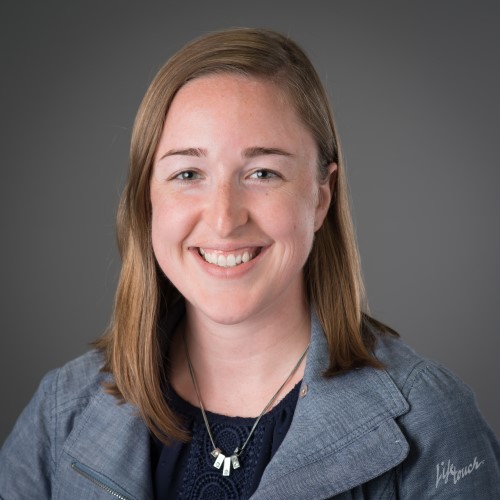
BIO STATS: MIKE WINSTEAD
Currently: director of schools, Maryville City Schools, Maryville, Tenn.
Previously: assistant director of schools, Maryville
Age: 50
Greatest influences on career: My mom and dad, retired teachers, worked hard to instruct in engaging ways but were even stronger in how they built relationships in our community.
Best professional day: Two years after we launched Maryville’s digital conversion, we hosted a regional Teaming for Transformation event in fall 2016. More than 100 educators from 20 districts spent two days in our district. Unexpected were the subsequent comments about how cohesive our teachers were.
Books at bedside:Visible Learning for Literacy by Douglas Fisher, Nancy Frey and John Hattie; The Seed by Jon Gordon; and Radical Candor by Kim Scott
Biggest blooper: In February 2016, we opened school on what was planned as a half-day. But soon after buses finished running, the weather turned abruptly, with snow accumulating. We determined the early dismissal would not be safe. Then the snow melted as fast as it began, and we kept students for nearly a full day. Colleagues tease me: “Only in Maryville do kids go to school longer when it snows.”
Why I’m an AASA member: Superintendents in AASA have offered me a network of advice, answered questions and provided resources.
Advertisement
Advertisement


Advertisement
Advertisement